
 Ambulance No : +91 99987 92676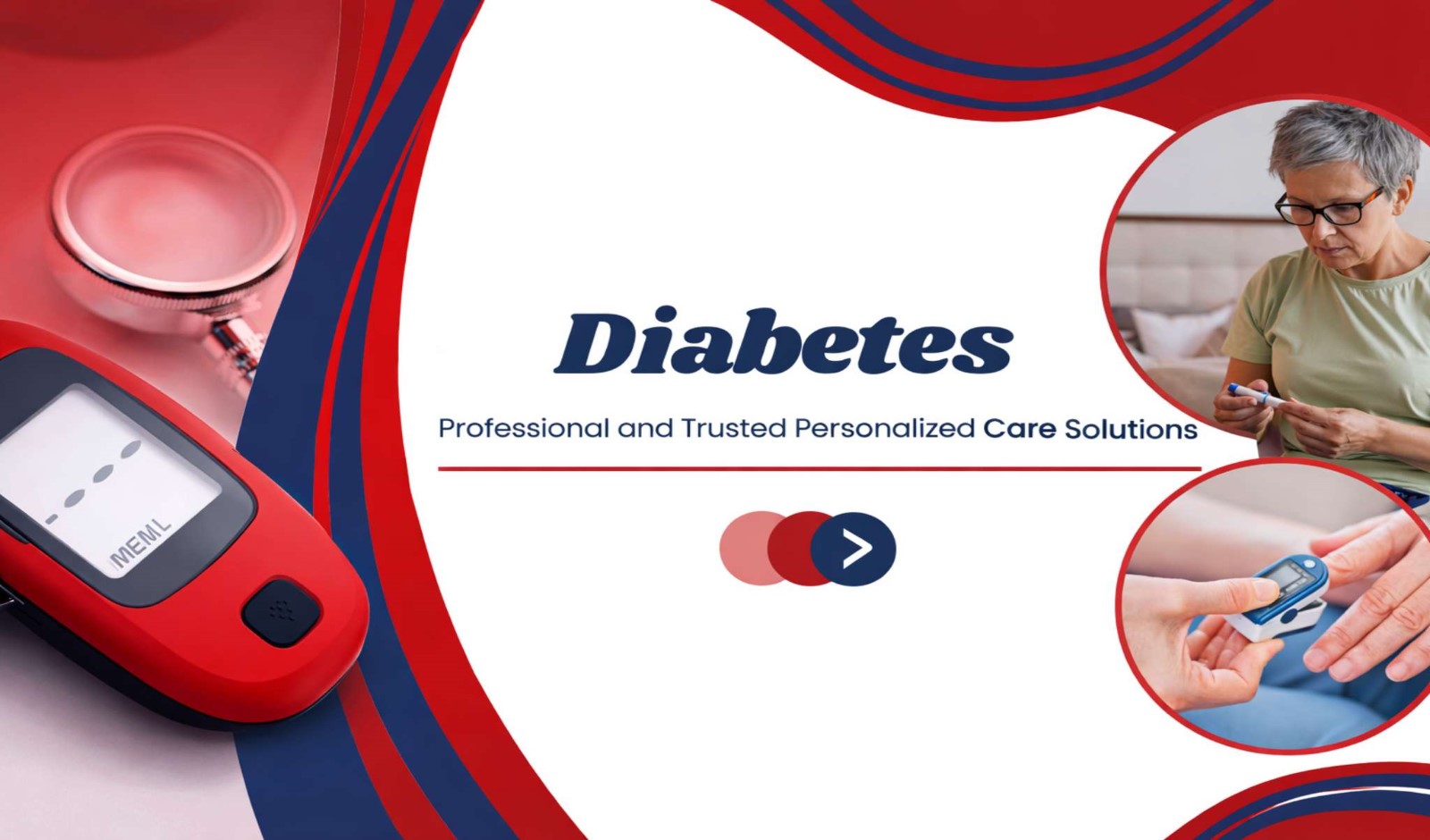
Diabetology
Our Diabetology Department offers comprehensive care for the prevention, diagnosis, treatment, and long-term management of diabetes and its related complications. Our experienced diabetologists provide personalized treatment plans, lifestyle counseling, advanced diagnostic services, and regular monitoring to help patients achieve optimal blood sugar control and reduce the risk of diabetes-related health problems.
HbA1c (Glycated Hemoglobin): HbA1c is a blood test that measures the average blood glucose level over the previous 2–3 months. It is an essential test for diagnosing diabetes, assessing long-term blood sugar control, and evaluating the effectiveness of treatment. Regular HbA1c testing helps guide medication adjustments and reduces the risk of diabetes-related complications.
All Types of Blood Sugar Monitoring: We offer comprehensive blood glucose monitoring services to accurately assess and manage diabetes. Regular monitoring helps evaluate daily blood sugar fluctuations, optimize treatment plans, and prevent complications associated with uncontrolled diabetes.
FBS (Fasting Blood Sugar): Fasting Blood Sugar testing measures blood glucose levels after an overnight fast of 8–12 hours. It is commonly used to screen for diabetes, diagnose prediabetes, monitor diabetic patients, and evaluate fasting glucose control.
PPBS (Postprandial Blood Sugar): Postprandial Blood Sugar testing measures blood glucose levels two hours after a meal. This test helps assess how effectively the body processes glucose after eating and assists in evaluating the effectiveness of diabetes treatment and dietary management.
CGM (Continuous Glucose Monitoring): Continuous Glucose Monitoring uses a small sensor placed under the skin to continuously measure glucose levels throughout the day and night. CGM provides real-time glucose readings, identifies blood sugar trends, detects episodes of hypoglycemia and hyperglycemia, and enables better diabetes management through informed treatment decisions.
Diabetic Retinopathy Screening and Management: Diabetes can damage the blood vessels of the retina, leading to diabetic retinopathy, a major cause of vision loss. We provide regular eye screening, early detection, timely referral, and comprehensive management to help preserve vision and prevent blindness associated with diabetes.
Diabetic Neuropathy Evaluation and Management: Diabetic neuropathy is nerve damage caused by prolonged high blood sugar levels, resulting in symptoms such as numbness, tingling, burning sensations, pain, or weakness, especially in the hands and feet. We offer early diagnosis, comprehensive neurological assessment, pain management, foot care guidance, and preventive strategies to reduce complications.
Management of All Diabetes-Related Complications: Our department provides comprehensive evaluation, prevention, and treatment of diabetes-related complications affecting various organs, including the heart, kidneys, eyes, nerves, and blood vessels. We offer regular health assessments, risk factor management, dietary and lifestyle counseling, medication optimization, and coordinated multidisciplinary care to improve overall health, enhance quality of life, and reduce the risk of long-term complications associated with diabetes.