 Ambulance No : +91 99987 92676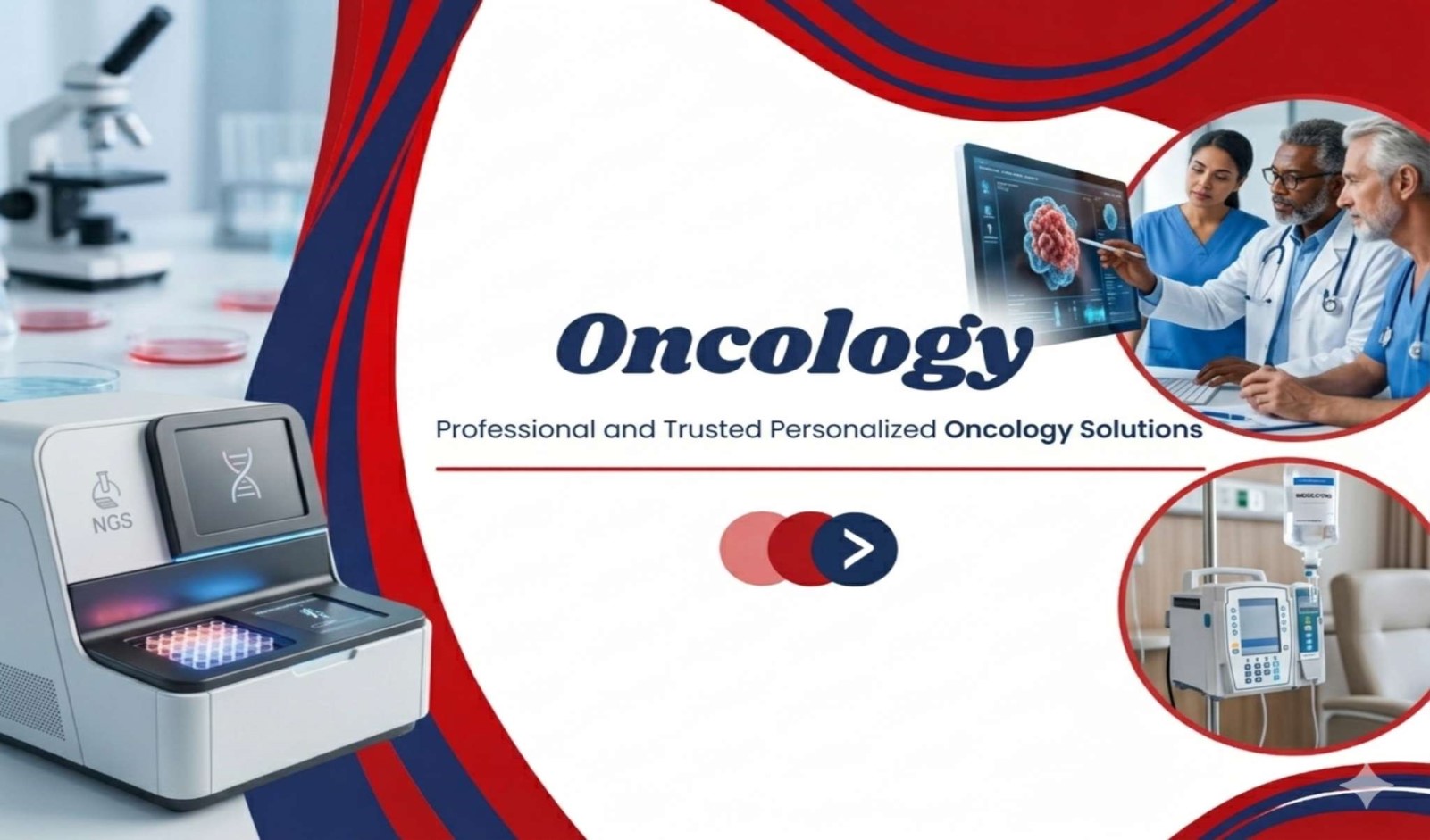
Oncology
Our oncology department is led by a highly skilled and experienced team of oncologists, surgeons, nurses, and support staff dedicated to providing comprehensive cancer care. We offer personalized treatment plans based on the patient's condition, ensuring compassionate care, accurate diagnosis, and evidence-based treatment throughout every stage of the cancer journey.
We provide seamless access to advanced radiotherapy services through our trusted affiliated center. Patients receive precise, high-quality radiation treatment using modern technology, with close coordination between our oncology specialists and the radiotherapy team to ensure continuity of care and optimal treatment outcomes.
Our chemotherapy services are delivered under the supervision of experienced oncologists in a safe and comfortable environment. Individualized treatment protocols are designed according to the type and stage of cancer, with continuous monitoring, supportive care, and management of side effects to maximize treatment effectiveness and patient well-being.
We offer a wide range of cancer surgeries performed by experienced surgical specialists using advanced surgical techniques. From diagnostic and minimally invasive procedures to complex cancer operations, our team focuses on achieving the best possible outcomes while prioritizing patient safety, comfort, and comprehensive post-operative care.