 Ambulance No : +91 99987 92676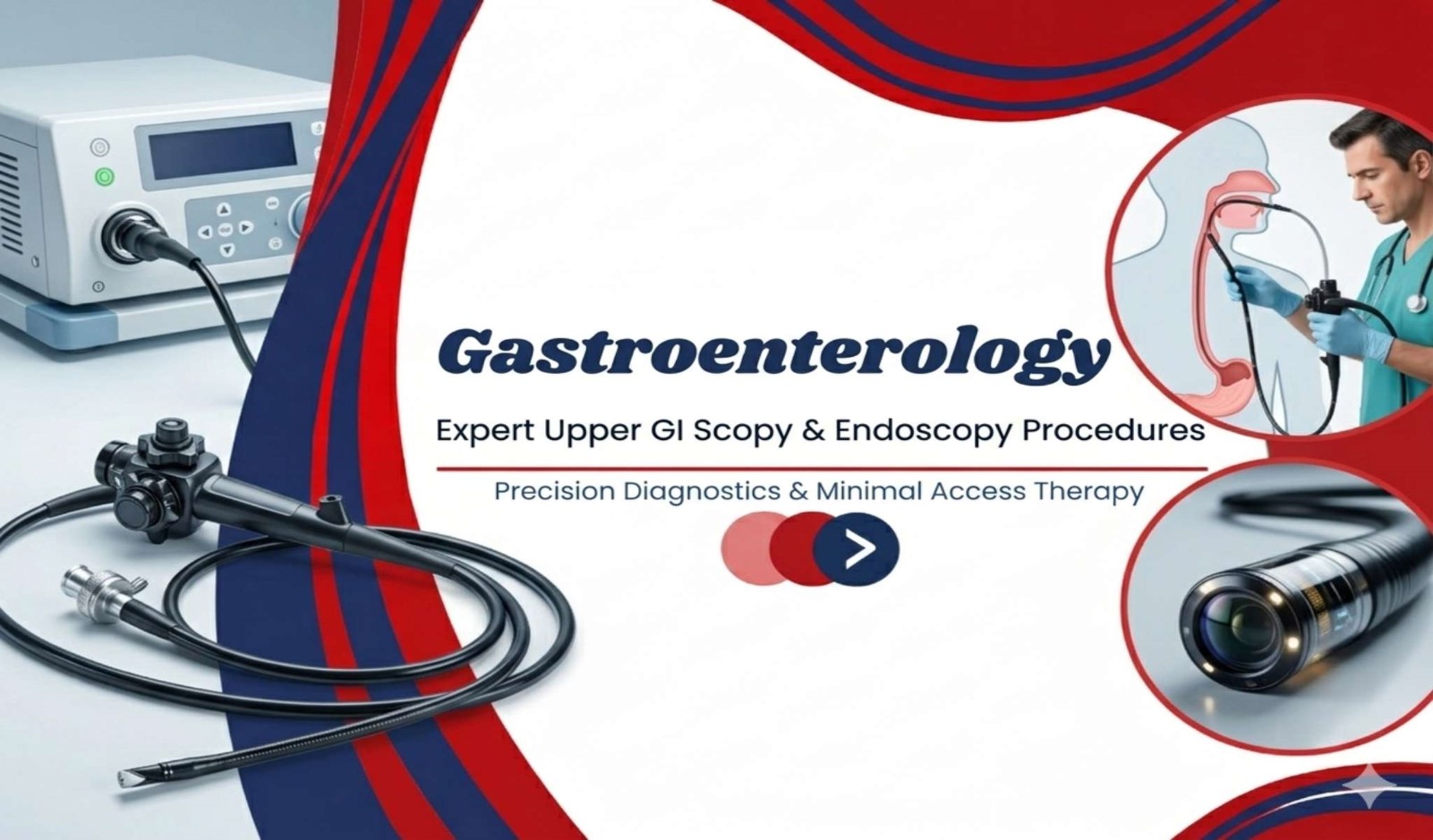
Gastroenterology – UGI Scopy / Endoscopy
Our Gastroenterology Department provides comprehensive diagnostic and preventive care for diseases affecting the digestive system, including the esophagus, stomach, liver, gallbladder, pancreas, intestines, and colon. Using advanced diagnostic technology and minimally invasive procedures, our experienced specialists ensure accurate diagnosis, early detection, and effective management of gastrointestinal disorders to improve patients digestive health and overall well-being.
Sonography (Ultrasound): Sonography is a safe, non-invasive imaging technique that uses high-frequency sound waves to examine the abdominal organs, including the liver, gallbladder, pancreas, spleen, and kidneys. It helps diagnose abdominal pain, gallstones, liver diseases, fatty liver, pancreatic disorders, kidney abnormalities, abdominal infections, and other gastrointestinal conditions. It is also widely used for routine abdominal health evaluations.
FibroScan: FibroScan is a painless, non-invasive test used to assess liver stiffness and measure the degree of liver fibrosis (scarring) and fatty liver disease. It plays an important role in the early diagnosis and monitoring of chronic liver diseases such as fatty liver (NAFLD), hepatitis B and C, alcoholic liver disease, and liver cirrhosis. The procedure is quick, does not require hospitalization, and serves as an effective alternative to liver biopsy in many patients.
UGI Scopy (Upper Gastrointestinal Endoscopy): Upper Gastrointestinal Endoscopy is a minimally invasive procedure that uses a flexible camera (endoscope) to examine the esophagus, stomach, and the first part of the small intestine (duodenum). It helps diagnose conditions such as acid reflux (GERD), gastritis, peptic ulcers, gastrointestinal bleeding, swallowing difficulties, infections, tumors, and early cancers. The procedure also allows for biopsy collection and certain therapeutic interventions when required.
Colonoscopy & Sigmoidoscopy: Colonoscopy and Sigmoidoscopy are advanced endoscopic procedures used to examine the large intestine (colon) and rectum. Colonoscopy evaluates the entire colon, while Sigmoidoscopy focuses on the rectum and lower portion of the colon. These procedures help diagnose abdominal pain, chronic diarrhea, constipation, rectal bleeding, inflammatory bowel disease (IBD), colorectal polyps, and colorectal cancer. They also enable the removal of polyps, collection of tissue samples (biopsies), and early detection of precancerous and cancerous conditions, contributing significantly to the prevention and timely treatment of colorectal diseases.