 Ambulance No : +91 99987 92676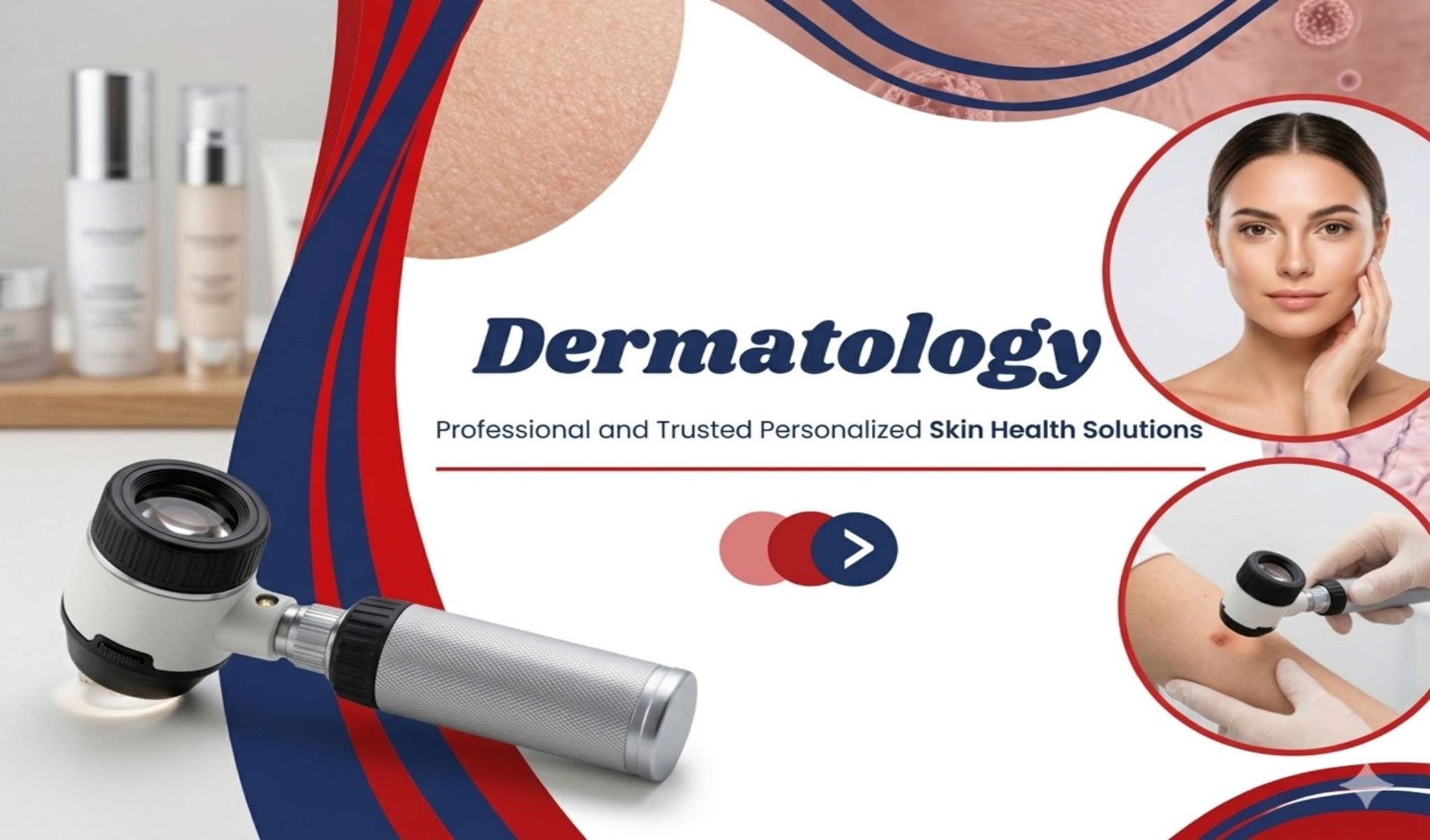
Dermatology (Skin)
Our skin depigmentation and lightening treatments are designed to reduce unwanted pigmentation, dark spots, melasma, tanning, and uneven skin tone. Using advanced dermatological procedures and medically approved techniques, our specialists create personalized treatment plans to help achieve a brighter, clearer, and more even complexion while maintaining the skin's natural health and safety.
Our skin rejuvenation services help restore a youthful, healthy, and radiant appearance by improving skin texture, tone, and elasticity. Treatments target fine lines, wrinkles, acne scars, enlarged pores, sun damage, and dull skin through modern technologies and evidence-based procedures, promoting smoother, firmer, and refreshed skin with minimal downtime.
We offer advanced hair transplant procedures in a state-of-the-art facility equipped with modern technology and performed by experienced specialists. Our hair restoration treatments provide natural-looking, permanent results for individuals experiencing hair loss or thinning. Every procedure is tailored to the patient's needs, ensuring safety, comfort, and optimal outcomes throughout the treatment journey.